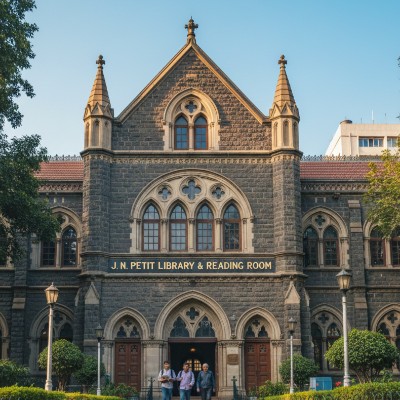
St. Thomas Cathedral, a historic Mumbai landmark, was commissioned in 1676 by Gerald Aungier, the then Governor of Bombay, and completed in 1718. It was named after St. Thomas the Apostle, one of the twelve disciples of Jesus Christ.
Designed in classic colonial style, the cathedral reflects a blend of Gothic and Neo-Classical influences that dominated the early British era. Over the years, it became a focal point for the Christian community in Bombay and a symbol of faith and endurance.
The cathedral not only marked the beginning of organised worship in the city but also played an important role in the social and spiritual life of colonial Mumbai.
Key highlights:
St. Thomas Cathedral is a fine example of early 18th-century British colonial architecture, featuring a blend of Gothic and Neo-Classical elements. Its white stone façade, tall arched doorways, and high vaulted ceilings create an aura of serenity and grandeur. The church’s symmetrical structure, carved wooden pews, and decorative altars reflect the meticulous craftsmanship of the British era.
The nave is flanked by Corinthian-style columns and adorned with memorial plaques honouring notable figures from Mumbai’s colonial past. The stained-glass windows depicting biblical scenes allow natural light to filter beautifully into the interior, enhancing its spiritual ambience. The bell tower and clock add to the church’s heritage charm, making it a captivating landmark in the Fort area.
St. Thomas Cathedral holds immense religious and cultural significance as the oldest Anglican church in Mumbai and the foundation of organised Christian worship in the city. Dedicated to St. Thomas the Apostle, it continues to serve as an active parish under the Church of North India, hosting daily prayers, Sunday services, and special ceremonies such as baptisms, weddings, and Christmas celebrations.
Beyond its role as a place of worship, the cathedral stands as a spiritual and historical symbol of Mumbai’s multicultural fabric. It attracts devotees, historians, and tourists alike, serving as a reminder of the city’s colonial past and the peaceful coexistence of diverse faiths. Its serene atmosphere, combined with its heritage architecture, makes it a haven for reflection amid the urban bustle of Fort, Mumbai.
The best time to visit St. Thomas Cathedral in Mumbai is during the cooler months between November and February, when the weather is pleasant and ideal for exploring the Fort area and other nearby heritage attractions. Morning hours are particularly serene, offering a peaceful atmosphere for prayer or quiet reflection.
Avoid visiting during the monsoon season (June to September), as heavy rains can make commuting difficult around South Mumbai. During Christmas and Easter, the cathedral becomes especially lively with beautiful decorations, choirs, and festive services that provide a glimpse into the city’s vibrant Christian heritage.
St. Thomas Cathedral in Mumbai is open to visitors and devotees throughout the week. The best time to visit is during the morning hours when prayers and services are held. Being a functioning church, entry is free for everyone, but visitors are expected to maintain silence and respect the sanctity of the premises.
Photography is usually allowed, but it’s advisable to avoid taking pictures during prayer sessions or services. Visitors should dress modestly, and avoid littering or causing any disturbance inside the cathedral.
*Disclaimer: Timings and entry details are subject to change. Visitors are advised to check the cathedral’s official notice board or contact local authorities before planning their visit.*
St. Thomas Cathedral is conveniently located in the Fort area of South Mumbai, making it easily accessible by all modes of transport. The church is close to several major landmarks, including Flora Fountain, Horniman Circle, and the Bombay High Court, making it simple to locate for both locals and tourists.
Visiting St. Thomas Cathedral in Mumbai is a peaceful and culturally enriching experience. To make the most of your visit, plan your trip during the early morning hours when the area is calm and the sunlight beautifully illuminates the church’s interiors.
Dress modestly, as this is a place of worship, and maintain silence during prayer hours. Photography is permitted, but avoid flash photography during ongoing services. It’s recommended to spend some quiet moments inside to appreciate the stunning stained-glass windows, carved wooden pews, and serene ambience.
St. Thomas Cathedral is best experienced slowly and with an open mind for heritage and spirituality. Visitors are encouraged to combine their visit with a walking tour of the Fort area, which includes iconic landmarks like Horniman Circle, Asiatic Library, and Flora Fountain — all within short walking distance. History enthusiasts should carry a guidebook or hire a local heritage guide to understand the symbolism and stories behind the church’s architecture and memorials.
After exploring St. Thomas Cathedral, you’ll find plenty of charming eateries and historic cafés nearby that offer everything from traditional Irani snacks to continental meals. The Fort area is especially known for its vintage ambience and delicious food options.
After exploring St. Thomas Cathedral, you’ll find plenty of charming eateries and historic cafés nearby that offer everything from traditional Irani snacks to continental meals. The Fort area is especially known for its vintage ambience and delicious food options.
St. Thomas Cathedral is not just a tourist attraction but an active place of worship that continues to hold services, weddings, and community gatherings. Visitors are expected to maintain decorum inside the church premises.
Entry is free for all, but voluntary donations for the church’s upkeep are appreciated. The cathedral’s cool stone interiors and ancient charm provide a peaceful break from the city’s bustle. The structure is well-maintained, and visitors can spend time reading inscriptions that reveal centuries of colonial and maritime history.

5, Old Market, Ramesh Nagar,
New Delhi-110015. India
travelroutes.team@gmail.com
www.travelroutes.in